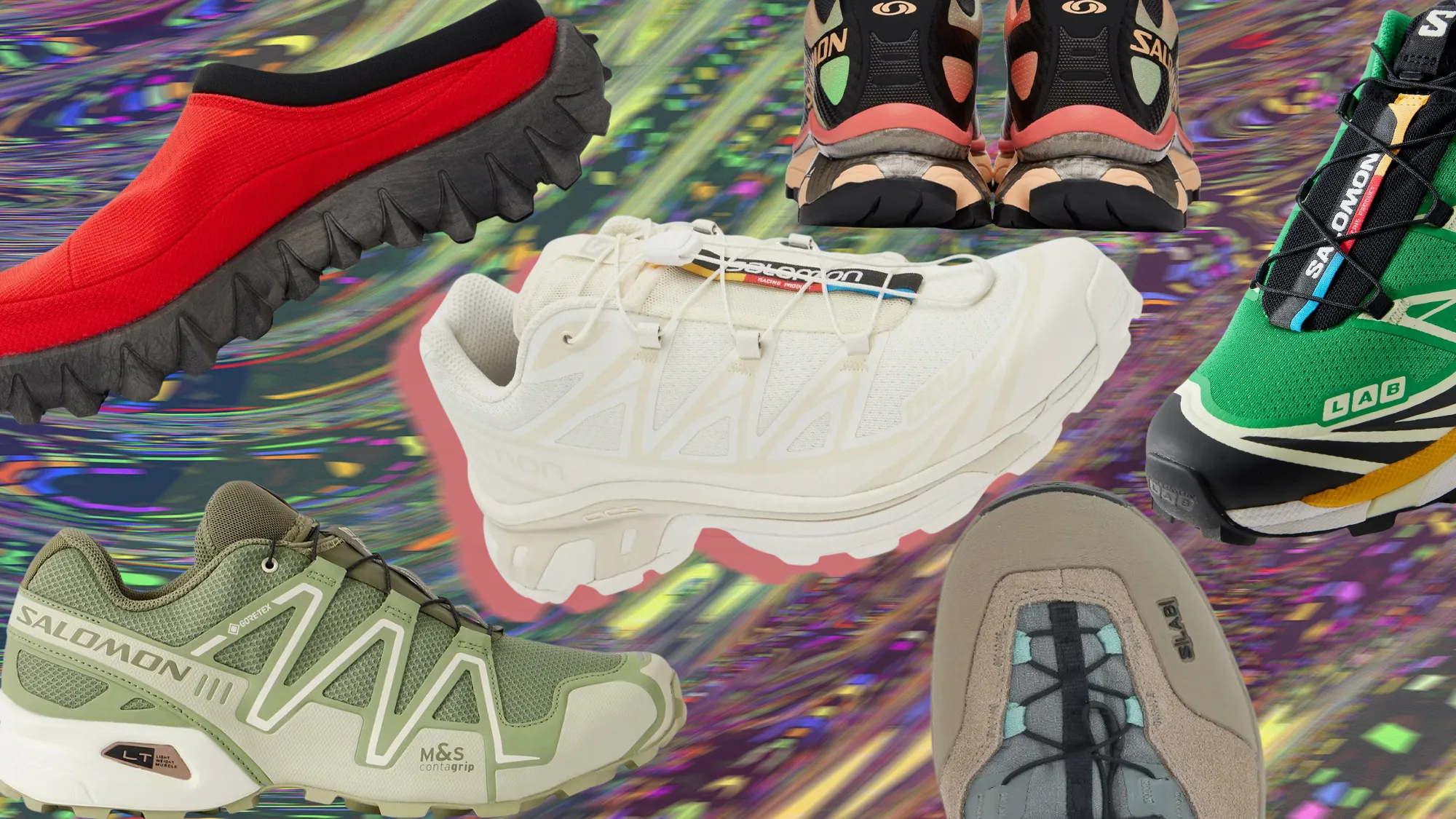
Salomon Speedcross 6 Trail Shoe Becoming Most Popular Outdoor Footwear Choice
Trail shoes used to live in one lane: muddy runs, race mornings, and gear closets that smelled like wet socks. That has changed fast. The Salomon Speedcross 6 is no longer being noticed only by trail runners. It is turning up on day hikes, camping weekends, dog walks after rain, and even casual errands where people want a shoe that feels ready for bad ground. American buyers are paying closer attention because outdoor footwear now has to do more than look rugged. It has to grip, clean up, fit securely, and survive real use. That is why this model keeps pulling interest from people who may never enter a race but still want confident footing on loose dirt, wet grass, gravel paths, and sloppy park trails. For readers tracking product trends through consumer lifestyle coverage, the appeal is easy to understand: this shoe looks technical because it is technical. The bigger story is not hype. It is that more people want gear that earns its space by working outside first.
Why Salomon Speedcross 6 Is Winning Outdoor Footwear Searches
The sudden attention makes sense once you look at how people actually use trail shoes now. Many Americans are not buying one pair for running, one for hiking, one for rain, and one for weekend chores. They want outdoor footwear that can handle a muddy trail in the morning and still feel natural at a grocery stop afterward. That demand creates tension because many shoes lean too far one way. Some look outdoorsy but slide on wet slopes. Others grip well but feel clunky on flat paths. This shoe lands in a useful middle, especially for people who deal with soft ground more than polished sidewalks.
The grip story matters more than the trend
The first reason people notice this shoe is the outsole. Deep, spaced lugs are not a decoration. They bite into soft dirt, loose leaves, wet grass, and mud where flatter soles skate around. On a spring trail in Oregon, a runner may hit damp roots, packed clay, and broken gravel in the same mile. A shoe that grips only one surface feels annoying fast.
That is where mud grip shoes earn trust. They do not need to feel heavy to feel serious. The pattern underfoot helps shed muck instead of carrying it like a brick. That small detail changes the day. Less mud stuck under the sole means less slipping, less weight, and less stopping to scrape your foot on a rock.
The counterintuitive part is that aggressive grip can make a shoe feel calmer, not wilder. People often think deep lugs are only for extreme terrain. In real life, they help average hikers feel less tense on normal trails after rain. Confidence saves energy because you stop bracing every step.
Why outdoor buyers are moving away from bulky boots
Old hiking advice leaned hard toward high boots. There is still a place for them. Heavy packs, sharp rock, snow, and rough alpine routes can make a taller boot the safer pick. But for many day hikes in the United States, a lower trail shoe feels faster and easier to live with.
This is one reason trail running shoes are getting more attention from casual outdoor users. They dry faster than many boots, flex more naturally, and do not punish you during the first few miles. A family walking a muddy section at Great Smoky Mountains National Park may care more about grip and comfort than ankle height.
That does not mean boots are dead. It means buyers are getting sharper. They are matching footwear to the trip instead of copying old rules. The National Park Service still points people toward sturdy, rubber-soled shoes for dirt and gravel trails, and that advice fits the way smart shoppers think now: choose traction, fit, and support before style.
Fit, Lockdown, and the Feel That Keeps People Wearing Them
A shoe can have wild traction and still fail if it rubs, slips, or squeezes wrong. The fit story is where many buyers either become loyal or walk away. This model has a close, held-in feel, which many trail runners like because it keeps the foot from sliding on descents. For everyday hikers, that same snug feel can be a gift or a warning. It depends on foot shape.
Secure trail running shoes reduce small trail mistakes
Small mistakes matter outside. A heel that lifts on a steep downhill can turn into a blister. A forefoot that slides on a side slope can make you tense your toes for miles. Secure trail running shoes reduce those tiny battles by holding the foot in place before the trail gets messy.
The quick lace setup is part of that experience. You pull, tuck, and go. No double knots. No wet laces dragging through mud. That sounds minor until you are trying to retie a shoe with cold fingers near a trailhead in Colorado.
There is a tradeoff. Traditional laces let you fine-tune pressure across different zones of the foot. Quick systems are faster, but less personal. That is not a flaw for everyone. It is a choice. A buyer who wants speed and clean lockdown may love it. A buyer with tricky arches or pressure points may prefer old-school lacing.
The narrow feel is not a mistake
A close fit can be misunderstood. Some shoppers try the shoe and think the narrow shape means poor design. That is not fair. The shoe is built for control on uneven ground. A sloppy fit would defeat the point. The snug shape helps the foot and sole move as one piece when the surface tilts.
Still, American buyers should be honest about their feet. If you like roomy toe boxes, thick socks, or a relaxed walking fit, try before you commit. This is not the kind of shoe you should buy only because the internet likes it. Fit beats trend every time.
The hidden insight here is simple: the best outdoor footwear may feel slightly less cozy in the store than it does on the trail. On flat carpet, secure shoes can feel too held. On a muddy slope, that same hold feels like protection. Context changes the verdict.
Where This Shoe Works Best Across American Trails
The strongest case for this shoe is not that it can do everything. It cannot. No shoe can. Its value comes from knowing where it shines. It is built for soft, loose, wet, and mixed trail conditions more than long road miles or polished indoor floors. That makes it especially useful in regions where trail surfaces change with the weather.
Mud grip shoes are made for messy, living ground
Think about a Saturday hike outside Seattle after a wet week. The trail is packed dirt in one section, slick roots in another, and deep mud near the drainage cuts. A flat-soled sneaker might be fine for the parking lot, then nervous ten minutes later. Mud grip shoes give you a better chance to stay relaxed.
The same logic applies in the Northeast during shoulder season. Leaves hide wet ground. Thawing dirt turns soft. Small hills get slick. A shoe with bite helps you move instead of tiptoeing. That matters for runners, but it also matters for parents, dog owners, photographers, and anyone carrying a light day pack.
The non-obvious downside is that deep lugs can feel less smooth on hard pavement. If most of your miles are city sidewalks with one gravel path at the end, this may be more shoe than you need. The best use case is mixed outdoor ground, not daily concrete commuting.
It fits the new American weekend
The American weekend has changed. A lot of people no longer separate fitness, errands, and short outdoor breaks. They might drive to a local trail, walk three miles, stop for coffee, and head to a hardware store before lunch. One shoe has to cover the messy middle of that day.
That is why this model is gaining traction beyond hard-core trail circles. It carries an outdoor look, but the reason it lasts in buyer interest is performance. A shoe that only looks ready gets exposed as soon as the ground turns wet.
A practical example: someone in Asheville can wear it for a damp Blue Ridge trail, rinse the outsole at home, and wear it again for yard work after rain. That is not glamorous. It is useful. Useful gear tends to stick around longer than fashion gear.
Buying Advice Before You Follow the Crowd
Popularity can make shoppers careless. A shoe starts showing up everywhere, and people assume it must work for every foot and every trail. That is how bad purchases happen. This model deserves attention, but it deserves a clear-eyed decision. The right buyer will get a tough, grippy, confident trail shoe. The wrong buyer may get a shoe that feels too narrow, too aggressive, or too trail-focused for daily wear.
Match the shoe to your terrain first
Start with where you walk or run. If your trails are muddy, grassy, loose, steep, or washed out after storms, this design makes sense. If your routes are mainly crushed gravel, park paths, gym floors, or sidewalks, you may be happier in a smoother trail model.
This is where outdoor footwear shopping should become boring in the best way. Look at the ground you actually use. Not the ground in the product photos. Not the trail you plan to visit once next year. Your normal terrain should make the decision.
There is another quiet factor: cleaning. Deep lugs grab the ground, and that means they can carry dirt home. Keep a brush near the door or rinse them outside. A great trail sole can annoy you if you expect it to behave like a street sneaker.
Think about waterproof versions with care
Waterproof trail shoes sound like the obvious upgrade. In wet grass, cold rain, and shallow mud, a waterproof membrane can be a comfort. The problem is heat and drying time. If water gets inside from the ankle opening, it can stay there longer than you want.
For dry summer trails in Utah or dusty California fire roads, breathability may matter more than waterproofing. For wet fall hikes in Pennsylvania or sloppy dog walks in Michigan, water resistance can feel worth the trade. Climate should guide the choice.
This is the less flashy buying advice people often skip: socks matter too. A good pair of trail socks can reduce rubbing, manage moisture, and make a snug shoe feel better. Shoes get the attention, but socks decide many blister stories.
Conclusion
The rise of this trail shoe says more about buyers than it does about one brand. People want gear that handles real weather, not showroom weather. They want grip they can feel, a fit that stays put, and a shoe that does not look lost outside a trailhead. That is why Salomon Speedcross 6 keeps earning attention from runners, hikers, travelers, and weekend walkers who need one tough pair for messy ground. It is not the perfect shoe for every foot or every surface, and that honesty makes the recommendation stronger. Choose it for soft trails, wet dirt, loose terrain, and active days where traction matters. Skip it if you need a roomy casual sneaker or a smooth road-to-trail cruiser. The smartest purchase is not the most popular one. It is the one that matches your ground, your feet, and your habits. For more gear-focused comparisons, see trail shoe buying tips and outdoor weekend packing advice before your next trip.
Frequently Asked Questions
Is this trail shoe good for everyday walking?
It can work for everyday walking if your day includes dirt paths, wet grass, park trails, or uneven ground. For mostly pavement, the deep lugs may feel too aggressive. A smoother walking shoe will usually feel better on hard city surfaces.
Does this shoe work well for hiking?
Yes, it works well for light to moderate hikes, especially on soft, muddy, or loose trails. It is not a full replacement for supportive hiking boots when carrying heavy packs or moving through rocky alpine terrain.
Are trail running shoes better than hiking boots?
They are better for some people and worse for others. Trail running shoes feel lighter and more flexible, while boots offer more ankle coverage and support. The right choice depends on terrain, load, weather, and your own injury history.
Is the fit narrow or wide?
The fit is known for feeling secure and close. Some buyers with wider feet may find it tight, especially near the forefoot. Trying it on with the socks you plan to wear outside is the safest move.
Can I wear this shoe in the rain?
Yes, but the standard version is not the same as a waterproof shoe. It can handle wet trails, though your feet may get damp. A waterproof version makes more sense for cold rain, wet grass, and muddy shoulder-season hikes.
What terrain is this shoe best for?
It performs best on mud, wet dirt, loose soil, grass, and mixed trails where grip matters. It is less ideal for long pavement sections, polished indoor floors, or dry routes where deep lugs add more bite than you need.
How should I clean muddy trail shoes?
Let thick mud dry, then brush it off outdoors. Rinse the outsole with cool water when needed and avoid high heat when drying. Stuffing paper inside can help absorb moisture without damaging the upper or midsole.
Is this a good first trail shoe?
It can be a strong first trail shoe if your local routes are soft, wet, or uneven. New trail users on mostly smooth paths may prefer a less aggressive model. Fit and terrain should decide the purchase, not popularity alone.