
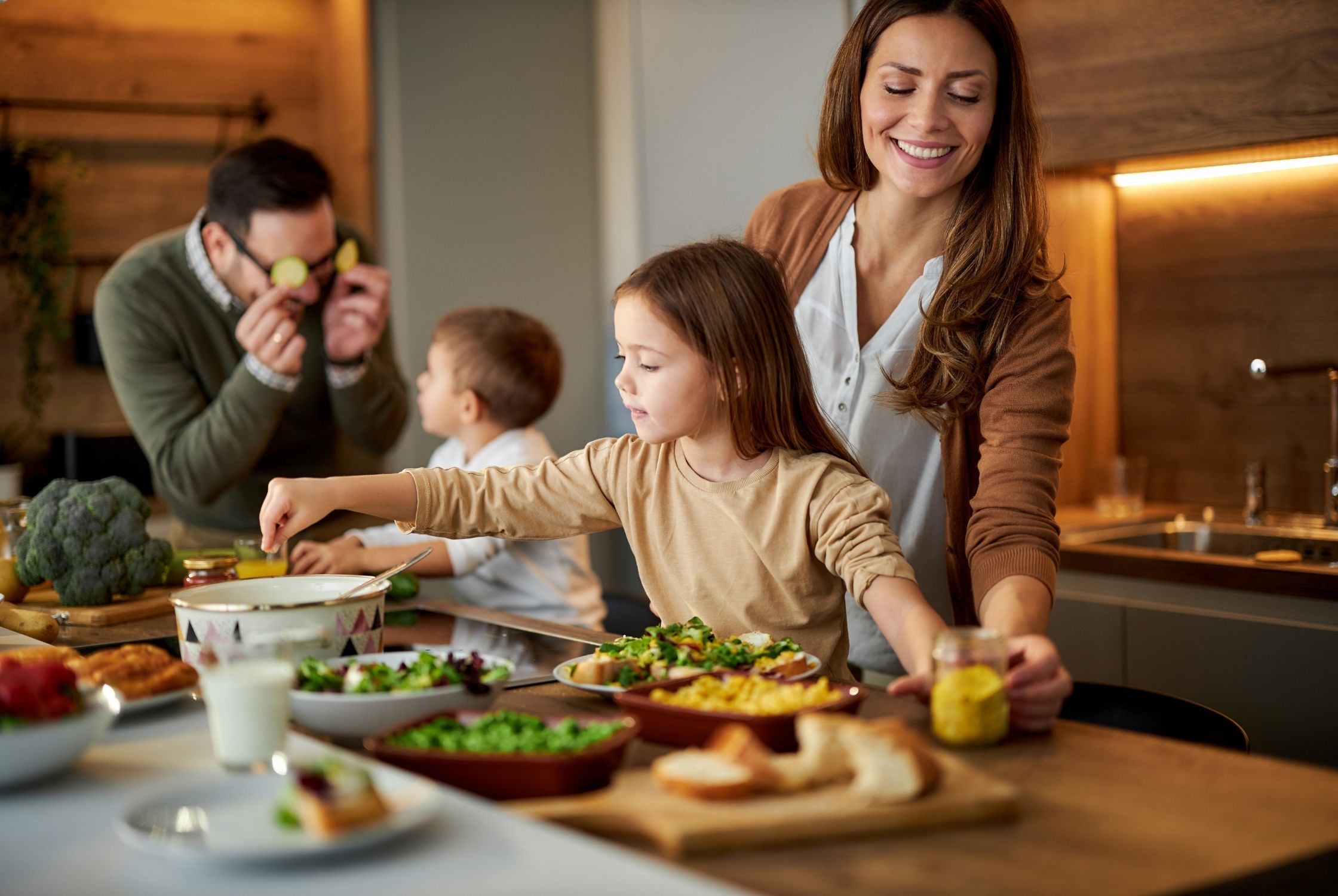
Healthy Meal Planning Guide for Busy Families
Dinner should not feel like a nightly emergency. Yet for many American households, the hardest part of feeding a family is not cooking itself; it is deciding what to cook when work ran late, homework is unfinished, and everyone is already hungry. Healthy Meal Planning helps turn that chaos into a calmer rhythm without asking parents to become chefs, nutritionists, or budget wizards. The goal is not a color-coded life where every bite is planned two weeks ahead. That sounds nice until real life knocks it sideways by Tuesday. A better approach is flexible, practical, and built around how families in the United States actually eat: school mornings, sports practices, long commutes, grocery prices, picky appetites, and the odd night when takeout saves everyone’s mood. Families also need trusted information and useful resources, which is why a well-placed platform like digital wellness and lifestyle publishing can support readers looking for practical guidance that fits daily routines. Good food planning is not about perfection. It is about lowering the number of decisions you have to make when your brain is already full.
Building a Family Food System That Survives Busy Weeks
A meal plan only works when it respects the week it has to live inside. Many families start with a menu that looks impressive on Sunday and collapses by Wednesday because it ignores traffic, late meetings, school events, and the fact that no one wants to wash three pans after a long day. The better system starts with pressure points. You study the week first, then choose food that can survive it.
Family dinner planning that starts with the calendar
A strong family food routine begins before anyone writes a grocery list. The calendar tells the truth faster than your appetite does. If Tuesday has soccer practice, a work call, and a school project due, Tuesday is not the night for stuffed peppers, roasted potatoes, and a sink full of dishes. Tuesday needs tacos, soup, sandwiches, pasta, or anything that lands on the table before patience disappears.
American families often underestimate how much the schedule shapes eating habits. A parent who leaves work at 5:30, reaches home at 6:15, and has children asking for food at 6:20 does not need a complicated recipe. They need a meal path. That might mean pre-cooked rice, rotisserie chicken, frozen vegetables, and a sauce everyone likes. It is not glamorous. It works.
The counterintuitive part is that planning fewer “proper” meals often leads to better eating. When every dinner tries to be special, the plan becomes fragile. When two nights are intentionally simple, the whole week becomes steadier. A humble meal that happens beats an ambitious one that sends everyone back to cereal.
Weekly grocery planning without buying food that dies in the fridge
Grocery shopping should serve the plan, not the fantasy version of the family. Buying five kinds of fresh greens sounds responsible until three bags wilt behind the milk. Weekly grocery planning works better when it starts with meals your family already accepts, then adds small upgrades rather than a full personality change in the cart.
A useful shopping list has anchors. Choose two proteins, two grains or starches, three vegetables, two fruits, and a few easy lunch or snack items. That structure keeps choices narrow enough to manage, but wide enough to avoid boredom. A family in Ohio might build the week around turkey meatballs, eggs, brown rice, tortillas, broccoli, carrots, apples, yogurt, and peanut butter. Those ingredients can move through breakfasts, lunches, dinners, and after-school snacks without demanding a new recipe every day.
Waste usually comes from buying ingredients for isolated meals. A jar of salsa used only for one dish sits around. A bunch of cilantro bought for one recipe turns slimy. Better planning asks, “Where else can this go?” Salsa can support eggs, rice bowls, wraps, and chicken. Carrots can become lunchbox sticks, soup filler, or roasted sides. That small question saves money and reduces the quiet guilt of throwing food away.
Healthy Meal Planning Around Real American Family Habits
Food advice often fails because it pretends families live in test kitchens. They do not. They live in apartments, suburbs, small towns, shared homes, and busy neighborhoods where grocery access, school schedules, work hours, and budgets vary widely. A strong plan works with those limits instead of shaming people for having them.
Easy family meals that do not depend on perfect cooking skills
Easy family meals should have a low failure rate. That matters more than creativity on weeknights. A sheet pan dinner, breakfast-for-dinner, chili, pasta with vegetables, bean burritos, baked potatoes with toppings, or rice bowls can carry a family through the week without turning dinner into a performance.
The smartest home cooks are not always the ones making the most impressive food. They are the ones who know how to repeat a good base without making it feel stale. One pound of ground turkey can become taco filling on Monday and stuffed into a baked potato on Wednesday. Scrambled eggs can become breakfast, dinner, or a quick wrap. Canned beans can turn a thin soup into something that actually fills people up.
Flavor also matters more than people admit. Children and adults reject bland food, then everyone blames “healthy eating” when the real problem was boring seasoning. Garlic powder, lemon juice, mild salsa, ranch-style yogurt dip, cinnamon, smoked paprika, and low-sodium soy sauce can make basic meals feel finished. Food does not need to be fancy to be worth eating.
Healthy meal prep that leaves room for tired people
Healthy meal prep has a reputation problem. Too many people picture rows of identical containers packed with grilled chicken and steamed vegetables. That may work for some adults, but family life needs more movement. Prep should remove friction, not lock everyone into five days of the same lunch.
A better method is ingredient prep. Wash fruit, chop onions, cook a pot of rice, brown meat, boil eggs, or portion snack items. These small jobs make future meals faster while still allowing choice. On a Thursday night, cooked rice can turn into fried rice, a burrito bowl, soup filler, or a side for salmon. One prep session opens several doors.
Parents often think they need a long Sunday block to make meal prep worthwhile. Not true. Ten minutes after unloading groceries can change the week. Put grapes in a washed container, move yogurt cups to the front of the fridge, slice cucumbers, and freeze one pack of meat flat so it thaws faster. Small moves count because busy families rarely fail from laziness. They fail from too many tiny barriers stacked together.
Making Nutrition Practical Without Starting a Food Fight
Families do not need dinner to become a lecture about vitamins. Children notice tension around food quickly, and adults get tired of feeling judged by their own plates. Nutrition works best when it shows up quietly through structure, flavor, and choice. The goal is to make the better option easy enough that no one feels punished by it.
Balanced family meals that children will actually eat
Balanced family meals do not require every person to eat every item on the table. That belief creates fights no one wins. A more realistic target is offering protein, fiber, color, and something familiar. Children may ignore the vegetable tonight, but repeated low-pressure exposure matters. The plate can teach without turning dinner into a courtroom.
A practical example is build-your-own taco night. Put out tortillas, beans, chicken, cheese, lettuce, corn, salsa, and avocado. One child may choose only chicken and cheese at first. Another may add beans and corn. Adults can build fuller plates. Everyone eats from the same meal, but no one is trapped by a single fixed serving.
The unexpected truth is that control often backfires. When parents push too hard, children dig in harder. When families serve healthy options without drama, curiosity has more room to grow. A child who refuses roasted carrots in September may try them in November because they were present, normal, and not turned into a moral test.
Quick healthy dinners with smart shortcuts
Quick healthy dinners need shortcuts, and there is no shame in that. Frozen vegetables, canned beans, pre-washed greens, microwave rice, jarred marinara, canned tuna, bagged slaw, and store-roasted chicken all belong in a serious family kitchen. The shortcut is not the enemy. The missing plan is.
Many U.S. families shop at stores where convenience items are easier to find than specialty ingredients. That can be an advantage. A bag of frozen mixed vegetables and a carton of eggs can become fried rice. Canned black beans and corn can become quesadillas. A bagged salad kit can sit beside grilled cheese and turn a tired dinner into a balanced one.
Health also depends on what the shortcut replaces. If microwave rice helps you serve salmon and vegetables instead of ordering fast food, that rice did its job. If pre-cut vegetables help a parent cook after a shift, they are not a luxury. They are a bridge between intention and reality.
Turning the Plan Into a Habit the Whole Family Can Follow
The best plan is the one your household can repeat when nobody feels inspired. That is where habit matters. A family food system becomes easier when everyone knows the rhythm, the kitchen has dependable backup meals, and the plan bends before it breaks.
Simple meal planning for school nights
Simple meal planning works best when each night has a role. Monday might be pasta or rice bowls. Tuesday might be tacos. Wednesday might be soup and sandwiches. Thursday might be leftovers with a fresh side. Friday might be pizza at home with salad or fruit. Themes reduce decision fatigue without forcing the same exact meal every week.
This structure helps children too. Kids relax when they know what to expect, and parents stop negotiating dinner from scratch every afternoon. A theme night gives enough predictability to calm the house while leaving room for variety. Taco Tuesday can mean beef tacos one week, bean burritos the next, and chicken bowls after that.
A family in Texas with two working parents and three children might keep school-night dinners under 25 minutes by repeating themes. The meals may not win awards, but they keep everyone fed, reduce spending, and leave space for homework, baths, and a calmer bedtime. That is not a small win. That is the point.
Family meal budget ideas that protect both money and energy
Family meal budget ideas need to include time, not only dollars. A cheap dinner that takes ninety minutes and leaves a wrecked kitchen may cost more than it appears. Money matters, especially with grocery prices still weighing on American households, but energy is part of the budget too.
The strongest savings often come from planned repetition. Cook once, eat twice. Roast extra chicken for lunch wraps. Make a bigger pot of chili and freeze half. Turn leftover vegetables into eggs or soup. These moves cut waste and reduce the number of nights when exhaustion pushes the family toward expensive convenience food.
Backup meals deserve a permanent place in the pantry. Keep pasta, sauce, canned beans, tuna, oats, peanut butter, rice, broth, frozen vegetables, and tortillas where possible. A backup meal is not a failure. It is a safety net. Healthy Meal Planning becomes easier when the household has an answer ready for the night that refuses to go according to plan.
Conclusion
A family does not need a flawless menu to eat better. It needs a repeatable rhythm, a few trusted meals, and enough flexibility to handle the messy parts of American life. The smartest food plan is not the one that looks impressive on a fridge calendar. It is the one that still works when practice runs late, the baby refuses a nap, the grocery store is crowded, or everyone is tired of chicken again. Healthy Meal Planning gives families a way to lower stress without turning food into another full-time job. Start with three dependable dinners, one backup pantry meal, and a grocery list built around ingredients that can do more than one job. That small system can change the entire tone of the week. Choose one night this week to plan before hunger takes over, because the best dinner strategy is the one you can still follow when real life walks through the door.
Frequently Asked Questions
What is the best meal planning guide for busy families?
The best plan starts with your weekly schedule, not with recipes. Choose fast meals for packed nights, prep flexible ingredients, and keep one backup dinner ready. A plan that matches your real routine will always beat a perfect menu that falls apart midweek.
How can busy parents make healthy family dinners faster?
Choose meals with fewer moving parts. Rice bowls, tacos, pasta, eggs, soups, and sheet pan meals cook quickly and adapt well. Keep frozen vegetables, canned beans, cooked grains, and simple sauces on hand so dinner can come together before everyone gets too hungry.
What are easy family meals for picky eaters?
Build-your-own meals work well because they give children control without making separate dinners. Tacos, baked potatoes, wraps, rice bowls, and pasta bars let each person choose familiar foods while still seeing new options on the table.
How do I start weekly grocery planning for my family?
Pick three dinners, two lunch options, and a few breakfast staples before shopping. Then list ingredients that can serve more than one purpose. This prevents overbuying and helps you avoid bringing home food that looks useful but has no clear role.
What healthy meal prep works for working parents?
Ingredient prep works better than packing full meals for many families. Cook grains, wash fruit, chop vegetables, boil eggs, or prepare one protein. These steps save time later while leaving enough flexibility for different meals during the week.
How can families eat healthy on a tight grocery budget?
Focus on low-cost staples that stretch across meals, such as beans, eggs, oats, rice, potatoes, frozen vegetables, pasta, and canned tuna. Plan leftovers before cooking so extra food becomes tomorrow’s lunch or another dinner instead of waste.
What are quick healthy dinners for school nights?
Good school-night dinners include quesadillas with beans, pasta with vegetables, fried rice with eggs, turkey burgers, baked potatoes, soup with sandwiches, and rotisserie chicken plates. The best options cook fast, use familiar ingredients, and leave minimal cleanup.
How do I keep a family meal plan from getting boring?
Use repeatable meal themes instead of repeating the same dishes. Taco night, pasta night, breakfast-for-dinner, soup night, and bowl night can change each week through different proteins, toppings, sauces, and sides while keeping planning simple.
