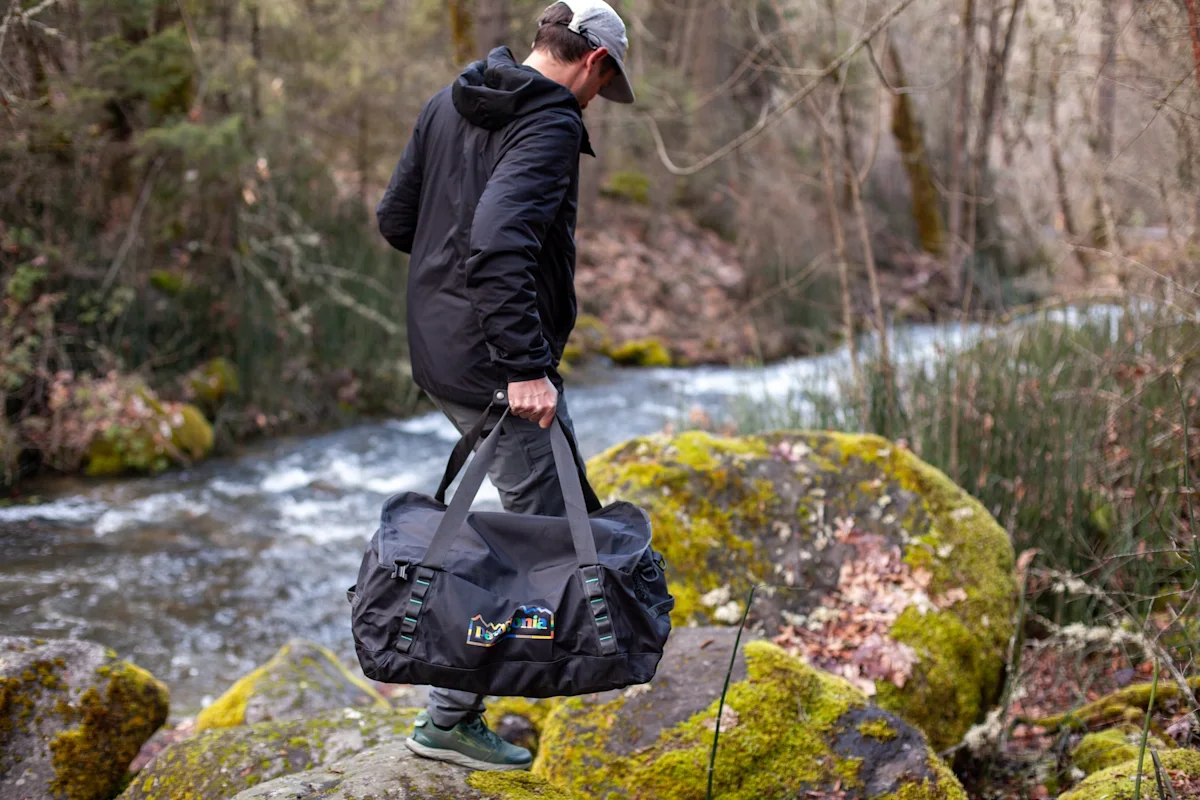
Patagonia Black Hole Duffel Bag Restocking After Months of Being Unavailable
A good duffel does not get attention because it looks neat on a shelf. It earns attention when it survives wet tailgates, airport floors, road-trip trunks, ski condo entryways, and that one overpacked family weekend where every zipper feels tested. The Patagonia Black Hole restock matters because American shoppers are not only looking for another bag. They are trying to grab a proven travel piece before the useful sizes and colors disappear again. For readers tracking consumer product news, this is the kind of restock that feels small until you notice how many people need one before summer flights, fall camping, college move-ins, and holiday travel. The appeal is simple: tough fabric, backpack-style carry, practical sizes, and a reputation built over years. Patagonia lists current models with recycled body fabric, lining, and webbing, plus a matte recycled TPU-film laminate on several versions. That mix explains why the bag keeps coming back into demand.
Why the Patagonia Black Hole Restock Feels Different This Time
Restocks usually create noise because people fear missing out. This one has a more practical edge. A duffel bag is not like a trendy jacket color that loses charm after a season. When buyers miss the size they want, they may wait months because the next-best option changes how they pack, carry, and move.
Why shoppers kept checking for fresh inventory
The bag sits in a strange spot between outdoor gear and everyday travel gear. You might buy it for a camping trip in Colorado, then end up using it for a gym locker, a road trip to Nashville, a dorm move in Ohio, or a weekend wedding in Florida. That range is why unavailable colors and sizes bother people more than expected.
A 40-liter bag has a different job than a 70-liter or 100-liter bag. Patagonia says the 40-liter version fits most airline carry-on needs, while larger versions are built for longer or gear-heavy travel. That detail matters because shoppers are not always comparing brands. They are comparing moments. Flight or truck bed. Cabin or campsite. One person packing light for Denver is not shopping like a family hauling ski helmets to Utah.
The non-obvious part is that scarcity can make buyers choose better. When every color and size is in stock, people often buy the biggest bag because it feels safer. After a long wait, they study the size chart harder. They think about stairs, overhead bins, wet grass, and whether they can carry the thing when it is packed badly. That pause can lead to a smarter purchase.
What makes this travel duffel bag hard to replace
A travel duffel bag sounds simple until you use a bad one. Thin fabric folds into itself. Handles dig into your hand. Zippers fight corners. A soft bottom makes clean packing feel like loading groceries into a towel. You do not notice those flaws in the store. You notice them at 5:40 a.m. outside Terminal B.
The appeal here is not that the bag has endless pockets. It does not. The appeal is that the main space stays open and easy to load. Patagonia lists a side pocket that can be reached from inside or outside and an interior mesh lid pocket for smaller items. That is enough for many travelers. More pockets can feel organized at home but annoying in real life, especially when you need rain pants, chargers, or a sweatshirt fast.
Think of a family driving from Chicago to a lake rental in Michigan. The best bag is not the one with the fanciest divider. It is the one that can swallow towels, hoodies, shoes, and a last-minute grocery bag without turning into a puzzle. That is where a plain duffel wins. Less structure can be a feature when your trip is messy.
The Sizing Choice Matters More Than the Restock Hype
Once a bag is available again, the first mistake is rushing toward the most popular size without thinking about how you travel. A duffel is personal in a boring way. It should match your vehicle, your body, your airline habits, your storage closet, and the kind of trips you repeat.
Is the 40L carry-on duffel the safest buy?
For many U.S. shoppers, the 40L is the cleanest entry point. Patagonia gives the 40L model dimensions of 19.7 inches by 12.5 inches by 8.5 inches and labels it as fitting most airline carry-on requirements. That makes it the practical pick for people who want one bag for flights and weekends.
Still, “carry-on” is not a magic shield. Airlines can vary by route, aircraft, fare class, and how full the flight is. A soft bag also changes shape depending on how you pack it. A lightly packed duffel can squeeze into spaces a boxy suitcase cannot. An overstuffed one can become a problem at the gate.
That is why the smartest move is to pack the 40L like a carry-on duffel, not like a checked trunk. Put shoes at the ends, clothing cubes in the middle, and flexible items near the top. Keep liquids and electronics reachable if you are flying. The TSA’s travel screening guidance is worth checking before you pack anything odd, sharp, oversized, or liquid-heavy.
When bigger sizes make more sense
The 55L and 100L versions are not “better” because they hold more. They solve different problems. Patagonia describes the 55L as a weekend or extended-trip workhorse, while the 100L is aimed at extended and gear-heavy travel. That split should guide the buyer.
A 55L bag makes sense for a road trip, a ski weekend, or a longer visit where laundry is possible. It is also a strong size for people who pack boots, jackets, or bulkier layers. The 100L is a different beast. That is the hockey-parent, climbing-gear, family-camping, long-haul size. It can be useful, but it can also punish you if you fill it without thinking.
Here is the quiet truth: the bigger the duffel, the more discipline it demands. A huge empty space invites clutter. If you choose the large version, pair it with cubes, shoe bags, or simple color-coded pouches. The bag can haul gear. It will not organize your life for you.
Build Quality, Materials, and the Real Durability Question
The reason this restock matters is not color alone. People come back to this line because the bags have a reputation for taking abuse. That does not mean they are perfect. It means the design aims at hard use instead of showroom neatness, and those are not the same goal.
Why recycled polyester luggage is no longer a compromise
Some shoppers still hear recycled material and picture something weaker. That old assumption does not hold up well here. Patagonia lists the 40L body fabric as 900-denier postconsumer recycled polyester ripstop with a recycled TPU-film laminate, plus recycled polyester lining and recycled nylon webbing. The 100L page lists similar recycled body, lining, and webbing details.
That matters because recycled polyester luggage has moved past the “nice idea” stage. Buyers now expect it to handle mud, rain, friction, and repeated packing. A bag that fails early is not sustainable in any meaningful sense. The best environmental feature is still a product you do not need to replace every year.
There is a practical example here. A teacher in Oregon using one bag for school retreats, weekend drives, and summer flights does not need a fragile symbol of eco-friendly shopping. She needs a bag that can sit on wet pavement and still carry clean clothes home. Recycled fabric only matters if the bag keeps doing the job.
Where the design is strong and where it asks for patience
The strongest parts of the bag are the obvious ones: tough shell, padded base, haul handles, daisy chains, and removable backpack straps. Patagonia notes that the padded straps can be removed when not needed, and the reinforced haul handles are built for rough handling. Those features fit how people move through airports, cabins, vans, and campsites.
The weaker point, depending on your taste, is the limited built-in organization. Some people want a pocket for every cable. This is not that kind of bag. It gives you a big main compartment and a few useful smaller spaces. For a certain buyer, that feels unfinished. For another, it is the whole reason the bag works.
This is where outdoor gear packing ideas can help more than another product page. If you pack by category, the bag becomes easier to live with. One pouch for tech. One for toiletries. One for socks and small clothing. The bag gives you volume; your system gives it order.
How to Buy Before the Best Options Disappear Again
A restock can make people move too fast. The better play is to decide before you click. Know your size, your color tolerance, your use case, and your backup choice. That way, availability helps you instead of pushing you into a sloppy buy.
Check color, size, and shipping with a cool head
Color matters more than shoppers admit. Black hides marks and looks clean, but it can vanish in a pile of bags at baggage claim or in the back of an SUV. Brighter colors are easier to spot, but some people get tired of them. A muted color can be the sweet spot if you want visibility without shouting.
Patagonia product pages show multiple color options on current models, though availability can change by size and season. That is why the right color is the one you will still like after the fifth trip. A bag like this may stay with you for years. Novelty fades fast when it is sitting in your hallway every week.
Shipping timing also matters if you are buying for a specific trip. Patagonia states on the 100L page that orders ship within 1 to 2 business days and arrive within 3 to 10 business days, with other shipping options available. Do not cut that too close before a flight. A great bag arriving one day late is no help.
Decide whether you need one bag or a small system
Some buyers want one do-everything duffel. Others are better off with two bags: a 40L for flights and a larger one for road trips or gear. That costs more upfront, but it can stop you from dragging a half-empty giant bag through places where a smaller one would feel sane.
A simple system works well for American travel patterns. Use a 40L for flights, a 55L for longer car trips, and a larger bag only when gear demands it. That could mean camping bins, ski layers, youth sports equipment, or long family stays. The bag should serve the trip, not your fear of needing more space.
For shoppers comparing other options, a best carry-on gear checklist can make the choice clearer. Ask one question before buying: where did your last three trips actually take you? Your answer is more useful than any glossy product photo.
Conclusion
A restock like this is worth attention because the product solves a plain problem: people need bags that can handle rough travel without turning packing into a hobby. The best move is not to chase the biggest size or the loudest color. It is to match the bag to your real routine, whether that means airport weekends, college moves, camping gear, or family road trips. The Patagonia Black Hole name carries weight because shoppers know what the bag is supposed to do, and the current recycled material story gives it another reason to stay relevant. Still, the smartest buyer stays practical. Check the size, think about how full you pack, review airline limits, and choose a color you can spot without hating it next year. A good duffel should disappear into the rhythm of your travel. Buy the one that makes leaving home easier.
Frequently Asked Questions
How much does the 40L duffel usually hold?
It works best for a weekend trip, a light business casual packing list, or a short flight where you want to avoid checking luggage. Shoes, two or three outfits, toiletries, and a light jacket can fit if you pack with soft cubes.
Is the 55L size too big for everyday travel?
It can feel large for daily gym use or one-night trips, but it makes sense for road weekends, ski layers, camping clothes, or longer stays. It is better when you travel by car more often than by plane.
Can this bag replace a rolling suitcase?
Yes, for travelers who prefer soft-sided packing and do not mind carrying weight. It is less ideal if you often walk long airport distances, pack formal clothes, or need a rigid shell to protect delicate items.
What is the best size for a carry-on duffel?
The 40L version is the safest choice for most carry-on needs because it stays closer to airline-friendly dimensions. Pack it with some flexibility, since overfilling a soft bag can make it harder to fit into overhead spaces.
Is recycled polyester luggage durable enough for rough trips?
Yes, when the fabric and construction are built for abrasion and weather resistance. The bigger question is stitching, zipper quality, base padding, and how the bag handles repeated stress. Material alone does not tell the whole story.
Should I choose black or a brighter color?
Black looks clean and works in every setting, but brighter or lighter colors are easier to spot in a pile. For checked gear, camp cabins, or family travel, visibility can save time and prevent mix-ups.
Does the bag have enough organization inside?
It has enough for simple travel, but not enough for people who want many dedicated pockets. Packing cubes, small pouches, and shoe bags make the interior far easier to manage without adding much weight.
Is this travel duffel bag worth buying after a restock?
It is worth considering if you need a tough, flexible bag for repeated travel rather than a one-season purchase. The value is strongest when you choose the right size and plan to use it across several kinds of trips.