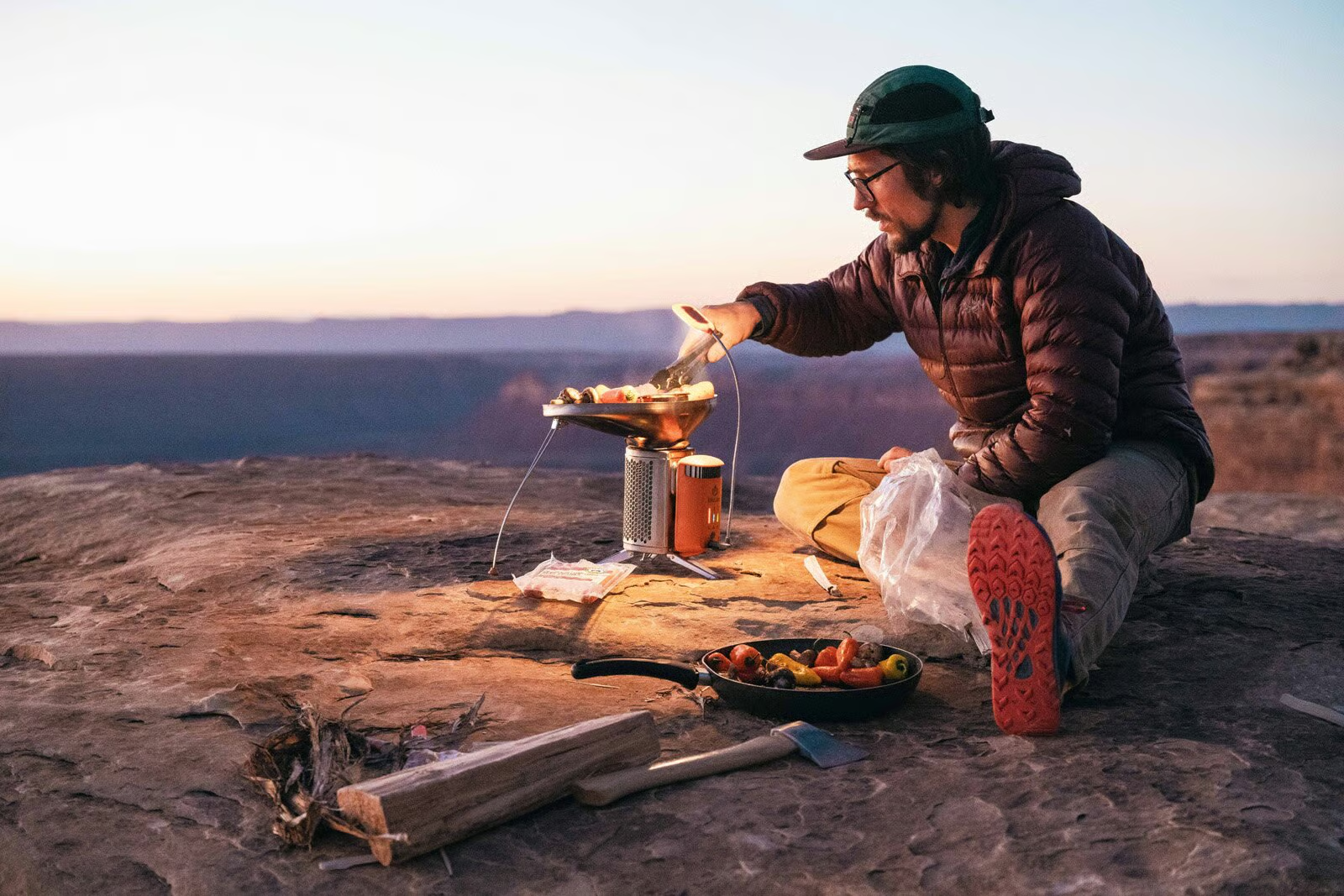
BioLite CampStove 2 Plus Becoming Best Selling Camping Gadget This Seas
The small camp stove is having a strange little moment, and it says a lot about how Americans now camp. CampStove 2 Plus sits at the center of that shift because it does three jobs people keep trying to solve with separate gear: it cooks, it burns found biomass, and it can send power back to a phone or light. For buyers scanning summer gear lists, Prime Day deals, national park reservations, and weekend lake plans, that mix feels practical rather than gimmicky. The interest also fits a wider pattern in outdoor product coverage, where shoppers are drawn to tools that save space, work during outages, and still feel fun around a picnic table. This is not a magic stove for every camper. It asks for dry sticks, some fire tending, and respect for local fire rules. Yet its appeal is easy to understand. A portable wood stove that turns heat into usable electricity gives car campers, tailgaters, and preparedness-minded families a story they can picture before they even click buy.
Why CampStove 2 Plus Fits the Way Americans Camp Now
Camping in the United States has changed. Many people still love a tent, a cooler, and a quiet loop at a state park, but they also bring phones, headlamps, GPS watches, kids’ tablets, and battery lanterns. That mix creates tension. The outdoors promises escape, yet modern safety and convenience still need power. This stove earns attention because it does not ask buyers to choose between the two.
Why compact gear now wins more cart space
Most families do not pack for a week in the deep backcountry. They pack for Friday night after work, a Saturday cookout near a lake, or a long weekend at a campground two hours from home. Space gets tight fast. Sleeping bags, folding chairs, snacks, dog gear, and water jugs fill the trunk before the stove even shows up.
That is where a camping gadget becomes more than a toy. If one item can cook a pot of water, give you a small live flame, and support off-grid phone charging, it feels easier to defend the cost. A propane stove may be faster for eggs at 8 a.m., but it does not offer the same little campfire feeling. A power bank may be cleaner for phones, but it cannot boil water.
The non-obvious part is that convenience is not always about speed. Sometimes it is about fewer decisions. When a camper can grab one device for coffee, light-duty cooking, and emergency top-offs, the gear bin feels less messy. That matters on a Thursday night when you are loading the car after dinner.
You see this most clearly in ordinary campsites, not extreme ones. A family pulling into a KOA in Tennessee or a lakeside site in Wisconsin does not need expedition gear. They need tools that unpack fast, work without drama, and make the evening feel more memorable than dinner at home. Compact gear wins because it lowers the barrier to leaving.
Why the stove feels made for the current camping mood
American campers are buying mood as much as function. They want the smell of wood smoke, the ritual of feeding a small flame, and the comfort of making coffee outside before the campground wakes up. At the same time, they want their phone alive for maps, weather alerts, and photos of the kids roasting marshmallows.
That mix explains why this type of camping cooking gear has a stronger pull than a plain burner. It gives the campsite a center. People gather around movement and heat. A blue propane flame gets the job done, but it rarely becomes part of the evening.
There is friction, though. You have to feed the fire. You need dry twigs or pellets. Wind can change the rhythm. For some buyers, that is a flaw. For others, that is the whole charm. The stove turns cooking into a small task you participate in, not a switch you flip and forget.
That is why the product feels aligned with the current outdoor mood. People are tired of sterile gear that removes every bit of effort. They still want ease, but they also want touch, sound, smell, and a little proof that they are outside. A stove that asks for attention can feel better than one that hides all the work.
The Real Appeal Is Cooking, Charging, and Less Camp Clutter
The product’s headline feature sounds almost too clever: burn wood, cook food, and produce electricity. The better way to view it is simpler. It turns waste heat into a useful backup. That does not make it a full power station. It makes it a smart camp tool for people who understand limits and plan around them.
What the specs mean at a real campsite
BioLite lists a 3,200 mAh onboard battery, 3 watts of USB output, four fan speeds, a 4.5-minute boil time for one liter of water, and a packed size around 5 inches by 7.91 inches on its official product page. Those numbers sound tidy on a spec sheet. At a campsite, they mean something more grounded.
The battery can help when your phone is low after a day of trail maps and photos. The fan helps the burn chamber breathe, which can reduce smoke when the fire is built well. The boil time gives you a rough sense of coffee or freeze-dried meal readiness, though real outdoor conditions will always push that number around.
A family at a Michigan state park might use it for morning coffee, then top up a headlamp while cleaning breakfast dishes. A couple camping near Moab might use it in the evening when the wind has died down and a larger open fire feels wasteful. A backyard user might keep it for storm season when the lights go out for a few hours. None of those use cases require fantasy.
The size also changes how people treat it. Big camp kitchens tend to stay in the garage unless the trip feels worth the haul. Smaller cooking tools end up in the car more often, which means they get used more often. Gear that survives because it is easy to bring often beats gear that looks better on paper.
Why off-grid phone charging is useful but not the whole story
The phrase off-grid phone charging can sell the stove, but it can also create the wrong expectation. This is not the tool you buy to run a weekend of heavy electronics. A dedicated battery pack still handles that job better. The win here is different. It gives you a way to claw back power while doing something you already planned to do: cook.
That distinction matters. Buyers who expect wall-outlet behavior may feel let down. Buyers who see it as backup energy will likely enjoy it more. A phone that climbs from danger zone to usable range can change the mood of a trip, especially when you still need directions home or a weather check before a hike.
The counterintuitive truth is that the charging feature may become more valuable on easy trips than hard ones. On a tough backpacking route, every ounce gets judged. At a drive-up site, weight matters less, and convenience matters more. That is where this stove can earn its keep without pretending to replace a power station.
There is also a confidence factor. Campers behave differently when they know they have one extra way to recover power. They take more photos, keep navigation open a little longer, or let a child use a lantern without turning the evening into a battery lecture. Small backups change behavior because they reduce the fear of running out.
Where This Camping Gadget Makes Sense, and Where It Does Not
The buzz around a product can blur the edges. A popular stove is not automatically the right stove. The smartest buyers start with where they camp, how they cook, and what fire rules they face. That one step prevents disappointment, especially with a solid-fuel device.
Best use cases for weekend campers and emergency kits
For car camping, the appeal is strong. You can bring pellets or gather small dry sticks where rules allow it. You can boil water, cook simple meals, and enjoy a contained flame without hauling a full firewood bundle. For a small group, that feels neat and satisfying.
It also makes sense for people building a home outage kit. A portable wood stove has a different role from a gas generator or battery station. It gives you a way to heat water outdoors, make basic food, and keep a small device alive. In places that lose power after summer storms or winter ice, that backup feels practical.
One useful pairing is a normal power bank plus the stove. That may sound redundant, but it is smart. The bank handles fast charging. The stove becomes a slower backup that can help renew energy over time. Readers planning a full gear bin may want to compare it with a portable power gear guide before buying anything in a hurry.
The best emergency gear is the gear you already know how to use. That is another point in this stove’s favor for the right household. If you cook with it on two camping trips, you are less likely to fumble with it during a storm outage. Familiarity turns a clever device into a calmer decision.
When a propane stove still makes more sense
There are trips where a propane burner wins. If you cook bacon, pancakes, and eggs for five people at dawn, you may want a wide stable surface and simple heat control. If you camp in dry Western forests during restriction season, a solid-fuel stove may be banned when gas stoves with shutoff valves are still allowed. Always check local rules before you pack.
Public-land fire rules can change by park, forest, county, and week. Rocky Mountain National Park, for example, posts fire and stove rules through its fire information and regulations page. That kind of page matters more than any product review. A cool stove is useless if you cannot legally light it.
The non-obvious buying lesson is this: the safer purchase is not always the product with more features. It is the product that matches your usual campsite. If your trips are mostly beach rentals, RV pads, and developed campgrounds, this stove may feel like a fun upgrade. If your trips happen during fire-ban season, choose with care.
Weather deserves the same respect. A windy afternoon can turn a pleasant cooking session into work. Damp sticks can make smoke and slow the meal. A cold morning can make everyone impatient. None of that ruins the product, but it does remind you that wood fire has a personality. Propane behaves more like an appliance. Wood behaves like weather.
Buying Smart Before the Next Campout
Seasonal gear hype can make people rush. A camping product appears in a deal roundup, a few videos make it look clever, and suddenly everyone wants it before the next holiday weekend. That rush is where poor purchases happen. Slow down for ten minutes and the choice becomes clearer.
What to check before adding it to your cart
Start with the kit question. The stove alone gives you the core burn chamber and charging system. Kits can add cooking accessories, which may make sense if you want a more complete camp kitchen. Buyers who already own light pots may not need every add-on. Buyers starting from scratch may prefer a bundle.
Then check your cooking style. This stove rewards simple meals: coffee, soup, hot dogs, oatmeal, foil-packet sides, and quick trail food. It is less natural for wide pans and high-volume breakfast cooking. That does not make it weak. It means the tool has a lane.
Before buying, run through a short checklist:
- Do your usual campsites allow solid-fuel stoves during the season you travel?
- Will you bring dry pellets, or are you counting on sticks at the site?
- Are you cooking for one or two people, or for a larger family?
- Do you want charging as backup, not your main power plan?
- Do you already own pots that fit a smaller cooking surface?
Those answers matter more than the discount. A bad fit at 30 percent off is still a bad fit.
Price also needs context. Outdoor shoppers often compare the stove against a propane burner, which makes it look expensive. A fairer comparison includes the small fire experience, charging backup, packed size, and the fact that biomass fuel can be gathered or packed as pellets. That does not make it cheap. It makes the value more layered.
How to avoid gadget regret after the first trip
The best first trip with this stove is not a big test. Use it on a low-pressure weekend where dinner does not depend on perfect timing. Make coffee. Boil water. Cook one simple meal. Learn how often the fire wants feeding. Try off-grid phone charging while the flame is steady, not when you are already stressed.
That approach turns the first outing into practice instead of judgment. Many camping tools feel awkward until you learn their rhythm. A tent, a water filter, a camp chair, and a cast-iron pan all have habits. This stove does too.
For buyers building a wider setup, pair it with a weekend camping checklist so the stove does not become the only plan. Bring a lighter, dry fuel, water, a backup cooking method when rules are uncertain, and a safe surface. The quiet secret of good camping cooking gear is not owning the cleverest item. It is knowing when each item should stay in its lane.
Clean-up is part of that rhythm. Let the unit cool. Deal with ash safely. Keep the battery and fan section protected during storage. This is not hard work, but it is work. The owners who enjoy the stove will be the ones who see that care as part of the trip, not as a surprise chore.
Conclusion
The reason this stove is getting so much attention is not hard to read. Campers want tools that feel useful at a campsite, not gear that only looks good in a product photo. They want warmth, coffee, fewer canisters, a charged phone, and a small story to tell around the picnic table. CampStove 2 Plus checks those boxes for the right buyer, especially the American camper who mixes weekend trips with outage planning and backyard use. It still needs judgment. Fire rules matter. Cooking style matters. Group size matters. The smartest move is to buy it for what it does well, not for what social buzz makes it seem to promise. If your trips lean toward simple meals, contained flames, and light backup power, this could earn a steady place in your gear bin. Pack it with care, learn its rhythm, and let it make camp feel a little more alive without asking your whole setup to revolve around one device.
Frequently Asked Questions
Is the BioLite stove worth buying for weekend camping?
Yes, it can be worth buying if you camp at developed sites, cook simple meals, and like gear that does more than one job. It works best as a compact cooking tool with backup charging, not as a full replacement for a propane stove or power station.
Can this stove charge a phone while cooking?
Yes, it can send power through USB while the fire is producing enough heat. Treat the charging as helpful backup energy. A separate power bank is still better for fast, repeated phone charging across a full weekend.
What fuel does the BioLite camping stove use?
It burns small biomass fuel such as dry sticks, twigs, and pellets. Dry fuel matters because damp material can smoke more, burn poorly, and slow cooking. Many owners bring pellets so they are not dependent on what they find at camp.
Is a wood-burning camp stove allowed during fire restrictions?
It depends on the location and current rules. Some fire restrictions ban solid-fuel stoves, while certain gas stoves with shutoff valves may still be allowed. Check the campground, park, forest, or county fire page before packing it.
Is this better than a propane camp stove?
It is better for campers who want a wood flame, compact cooking, and backup USB power. Propane is better for larger meals, steadier heat, and easier cooking for families. The right choice depends on your campsite and cooking habits.
How many people can it cook for comfortably?
It is best for one or two people, or for small side tasks in a larger camp kitchen. You can make coffee, boil water, and cook simple food. For big breakfasts or group dinners, a wider stove will feel easier.
Does it make smoke while burning wood?
It can still smoke, especially during startup or when fuel is damp. The fan-assisted burn helps once the fire is established and the chamber is fed properly. Dry sticks, careful loading, and steady airflow make the experience cleaner.
What should I pack with this stove?
Bring dry pellets or tinder, a lighter, water for safety, fitted cookware, a heat-safe surface, and a backup cooking option if rules are uncertain. A small power bank also makes sense, since the stove’s charging feature works best as backup.