
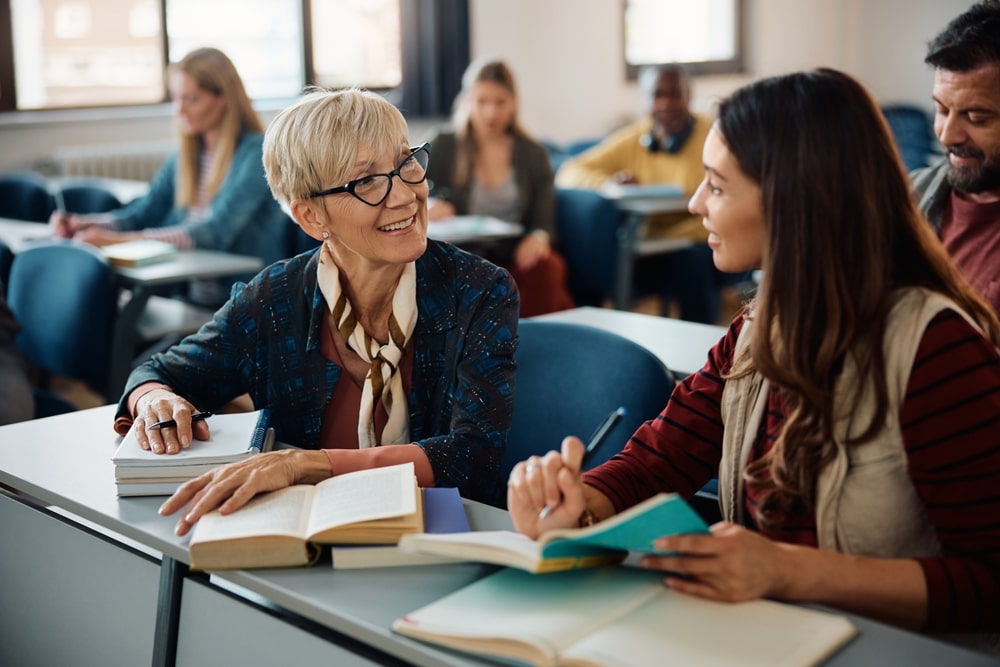
Why Lifelong Learning Is Becoming a Practical Skill Instead of a Personal Choice
Lifelong learning was once viewed as an optional activity for people who enjoyed reading, attending workshops, or exploring new subjects. Today, it has become a practical necessity. Rapid changes in technology, employment, communication, and public services require people to keep improving their knowledge throughout life. Learning is no longer limited to schools or universities. It has become an everyday skill that helps individuals manage careers, finances, responsibilities, and personal development.
Changing Careers Require Continuous Learning
Modern workplaces are evolving faster than ever. New software, automated systems, digital platforms, and changing customer expectations are transforming nearly every profession. Skills that were valuable a few years ago may no longer be enough for current job requirements.
Employees who continue learning are often better prepared to adapt to new responsibilities. They can understand updated tools, communicate more effectively, and respond confidently when workplace processes change. Lifelong learning also helps people explore new career opportunities without feeling restricted by their original education.
Professional growth does not always require a formal degree. Short courses, online tutorials, industry certifications, podcasts, and practical training can all help individuals strengthen their abilities. The willingness to learn has become just as valuable as existing knowledge.
Digital Services Demand Greater Awareness
Many essential services are now available through digital platforms. People regularly use online portals for education, employment, banking, healthcare, agriculture, and government benefits. Understanding how these platforms work has become an important part of daily life.
For example, users may search for educational resources through terms such as mishan prerna up.in when trying to access learning related information. Navigating such platforms requires basic digital literacy, careful reading, and the ability to identify reliable information. These skills can only be maintained through regular learning and practice.
Similarly, students, employees, and administrators may encounter searches such as sts login open while accessing an institutional or service based portal. People who are comfortable learning new systems can complete online tasks more efficiently and avoid unnecessary confusion.
Financial and Public Information Keeps Changing
Government schemes, payment schedules, eligibility rules, and application processes may change over time. Citizens must stay informed to understand what support is available and what action they may need to take.
A farmer looking for pm kisan yojana 20th installment date may need to review updated announcements, verify registration details, and understand payment requirements. This process involves more than simply searching for a date. It requires the ability to compare information, recognize official sources, and avoid misleading claims.
Families may also search for the pmmvy beneficiary list to understand the status of maternity related assistance. Learning how to use official portals and interpret application information can help people access important services without depending entirely on others.
Lifelong Learning Builds Better Decision Making
Continuous learning improves more than technical ability. It also strengthens judgment, problem solving, and critical thinking. People who regularly explore new ideas are more likely to question unreliable information and consider different options before making decisions.
This is especially important in a world where people receive large amounts of information through social media, websites, and messaging applications. Not every claim is accurate. Lifelong learners develop the habit of checking sources, comparing details, and looking for evidence.
Learning also builds confidence. People are less likely to feel overwhelmed by new systems when they know they can gradually understand them. This confidence can improve independence in both personal and professional life.
Learning Can Be Part of Everyday Life
Lifelong learning does not need to feel like traditional classroom study. It can include reading an article, watching a useful tutorial, practicing a new skill, asking questions, or learning from experience. Even a few minutes of focused learning each day can create meaningful improvement over time.
The most important factor is consistency. People who remain curious and open to change are better equipped to handle new challenges. They do not wait until a problem forces them to learn. Instead, they build learning into their normal routine.
Conclusion
Lifelong learning is becoming a practical skill because modern life demands constant adaptation. Careers change, technology advances, and essential services move online. Individuals who continue developing their knowledge can make better decisions, access opportunities, and respond confidently to change. Learning is no longer simply a personal interest. It is an essential ability that supports independence, stability, and long term growth.