
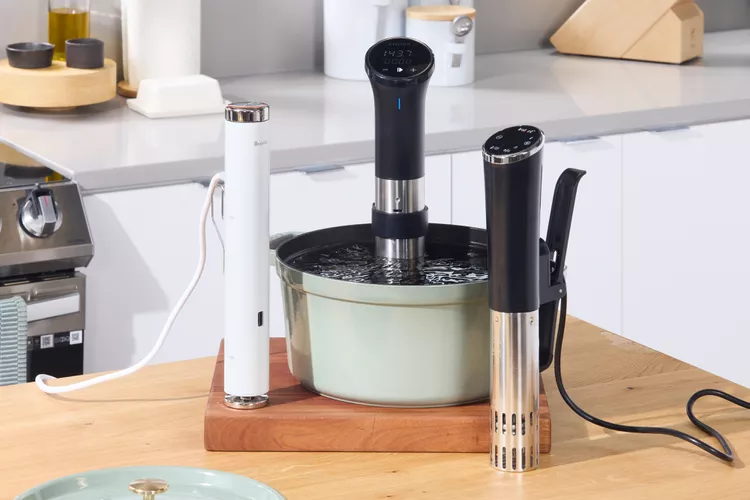
Anova Precision Cooker 3 Pro Sous Vide Machine Hitting Record Low Price
Kitchen deals come and go, but this one lands in a different spot for home cooks who have been waiting to try precision cooking without paying top-shelf money. A Sous Vide Machine is not a flashy appliance in the usual sense. It does not sit on the counter like a chrome trophy or promise dinner in ten minutes. It wins by doing one quiet job with calm control: holding water at the temperature you choose. That is why the Anova price drop has people paying attention across the USA, from apartment renters with tiny kitchens to backyard grill fans who want steakhouse texture before the sear. For readers tracking practical home upgrades and smart buying moments, consumer product deal coverage can help separate real value from loud sale copy. The core question is simple: does this discount make Anova worth buying now, or should you wait for a cheaper wand?
Why This Sous Vide Machine Deal Feels Bigger Than a Normal Kitchen Sale
A sale on a blender or toaster is easy to judge because most people already know how those tools fit into daily life. Precision cooking feels different. The value is not only the sticker price; it is the gap between what the tool costs and how often it saves a meal that would have been dry, uneven, or overcooked. That is why this kind of discount has a different pull. It does not promise a new recipe. It promises fewer failures on food you already buy.
The price drop changes who should consider Anova
For years, Anova sat in that awkward middle lane. It was known enough to feel safe, yet priced high enough that casual cooks could talk themselves out of it. That matters because sous vide cooking asks for trust before it gives results. You bag the food, lower it into water, and let time do the work. There is no sizzling pan to watch. No browning to smell. The first few cooks feel odd.
A lower entry point softens that doubt. A home cook in Ohio making chicken breasts for weekday lunches may not need a restaurant-grade setup. But if the Anova Precision Cooker Pro drops near the cost of a higher-end air fryer basket, the mental math changes. Now the question is not, “Is this a luxury?” It becomes, “Will this fix a problem I keep having?”
That is where the deal has teeth. People do not buy precision cooking gear because they want another gadget. They buy it because pork chops turn tough, salmon dries at the edges, and steak timing feels like a coin toss after a long workday. The discount lowers the pain of testing a method that rewards patience more than flair.
A lower price does not erase the learning curve
The non-obvious part is that a cheaper Anova can still feel expensive if you never build a routine around it. The unit may be discounted, but the method asks for bags, a pot or container, time planning, and a finishing step. You still need to sear a steak after the bath. You still need to chill cooked food properly if you are meal prepping. The wand is only one part of the habit.
That does not make the deal weak. It makes the buyer’s first week matter. A smart first cook is not a 36-hour short rib project. It is two chicken breasts, a thick pork chop, or a salmon fillet you would otherwise baby in a skillet. Start with food you already buy. If the result solves a meal you repeat, the discount becomes more than a number.
A good way to think about it: the first win should be boring. A Tuesday chicken breast that stays juicy is a stronger proof point than a dramatic weekend experiment. The tool earns counter space when it saves normal food, not when it stars in one social media dinner.
There is also an appliance-graveyard angle many buyers ignore. The garage shelf is full of tools that looked fun during a sale but never entered the weekly flow. An Anova avoids that fate only when you attach it to a real pattern: Sunday meal prep, Friday steak night, weekday lunch protein, or holiday sides that need timing help.
What the Power and Controls Mean in a Real American Kitchen
Once the price gets your attention, the specs decide whether the purchase holds up. Anova’s stronger models are not only about cooking hotter. They heat a bath faster, recover better when cold food goes in, and make larger portions less stressful. That difference matters in a U.S. kitchen where one cook may handle meal prep, family dinner, and a weekend grill tray with the same device.
Wattage matters most before the food goes in
Most shoppers look at wattage and think it means a better final steak. That is only half true. Once the water reaches target temperature, the job is steady holding. The bigger difference comes earlier, while the bath climbs from tap water to cooking temperature. A stronger immersion circulator cuts the dead time before dinner can start.
Picture a parent in Texas trying to cook four thick pork chops after work. A slower wand can still get there, but the wait feels longer because nothing visible is happening. A higher-powered Anova Precision Cooker Pro gives you more breathing room before the food goes in. It does not make cooking instant. It makes planning less brittle.
The counterintuitive point is that power may matter more for impatient beginners than for experts. A seasoned cook can start warm water early, use a covered container, and plan backward from dinner. A first-time buyer often wants the machine to forgive poor timing. Extra wattage helps there.
Water volume is the hidden part of that story. A small pot for two eggs and a deep container for eight chicken thighs are not the same job. Cold food pulls heat from the bath, and a bigger bath needs more energy to climb. That is where higher wattage feels less like a spec and more like peace at 6:15 p.m.
Controls should work when your hands are messy
Phone control sounds like the feature that sells the device, but onboard controls are the quiet keeper. When your hands smell like garlic, raw chicken is on the board, and a bag is half sealed, you do not always want to wake a phone, open an app, and tap through screens. A clear display and manual buttons keep the cook grounded at the counter.
This is why Anova’s screen and Wi-Fi setup matter, though not in the flashy way ads suggest. Remote monitoring is handy when the bath is in the kitchen and you are folding laundry, watching a game, or cleaning the grill outside. It is less about showing off tech and more about not babysitting water.
For a deeper cooking setup, pair the unit with a container, a lid or wrap to slow evaporation, and a decent thermometer for checking finished food. The USDA’s safe minimum internal temperature chart is still worth bookmarking, because precision cooking does not cancel food safety. Temperature control is only useful when you understand the target.
One small detail has an outsized effect: covering the bath. Foil, plastic wrap, a silicone lid, or a fitted container lid can cut evaporation during longer cooks. That matters for brisket-style projects, overnight pork, or meal prep batches that run while you do other chores. The fancy part is the circulator. The practical win is keeping enough water around it.
Why the Model Name Confusion Matters Before You Buy
The title people search may say “3 Pro,” but shoppers need to slow down here. Anova’s Precision Cooker 3.0 and Precision Cooker Pro are not the same listing in many stores. Deal pages, reseller titles, and casual posts can blur the names, which creates a sneaky risk: you may think you found the stronger Pro when the cart shows the 3.0, or the other way around.
The 3.0 and Pro fit different kitchens
The 3.0 is the cleaner fit for many homes. It has enough power for normal family batches, connects through modern Wi-Fi, and feels less oversized in a drawer. For renters in New York, Chicago, or Los Angeles, that storage point matters. A tool that needs a special bin may slowly lose its place in the weekly routine.
The Pro makes more sense if you cook larger amounts or host often. Think tri-tip for friends, batches of chicken thighs for meal prep, or thick steaks before a backyard sear. Its appeal is not that it makes one egg better. Its appeal is that it feels calmer when the bath is larger and the load is heavier.
The odd truth is that the “best” Anova is sometimes the cheaper one. A buyer cooking for one or two people may get more value from a smaller setup used twice a week than from a stronger model pulled out twice a year. Price can tempt you upward, but use case should pull you back to earth.
A useful test is to name your largest normal cook, not your dream cook. If the honest answer is two salmon fillets and a few eggs, the 3.0 class may be plenty. If the answer is six ribeyes before a Saturday game or bulk chicken for five work lunches, the Anova Precision Cooker Pro starts making more sense.
Sale labels can hide the real comparison
Record-low deal language creates urgency. That is the point. Still, the sharper question is not whether the crossed-out number looks huge. It is whether today’s price is low compared with recent street prices for the exact model, in the exact condition, from a seller you trust.
Check three things before you bite. First, match the model name and wattage. Second, confirm whether the item is new, open box, refurbished, or marketplace stock. Third, compare warranty terms, because a small price gap can vanish if the cheaper seller gives you weaker support. This is less exciting than seeing a big discount tag, but it protects your money.
A common example: one retailer may show the Precision Cooker 3.0 at a friendly price, while another shows the Anova Precision Cooker Pro with a deeper-looking slash from a higher list price. Both can be fair. They are not equal buys. The better deal is the one that matches your cooking volume and gives you a clean return path.
The quiet danger is accessory math. A cheaper unit can lead to a cart with a container, vacuum bags, a sealer, clips, and a rack. Some of those pieces may help later, but they do not all need to arrive on day one. Keep the first order lean unless you already know this method fits your routine.
How to Decide Whether This Deal Belongs on Your Counter
Buying an Anova during a sale should not start with the gadget. It should start with the meals you keep messing up or avoiding. If those meals are the ones precision cooking handles well, the deal is worth a closer look. If your kitchen problem is chopping, cleanup, or not knowing what to cook, the wand will not solve that alone.
Buy it for repeat meals, not fantasy cooking
The strongest use cases are plain: steak, pork tenderloin, chicken breast, salmon, eggs, and reheatable meal prep proteins. These foods punish small timing errors. A pan can go from perfect to dry in a short window. A water bath gives you a wider lane, which is why cooks with busy lives often like it after the novelty fades.
Take chicken breast. Many American kitchens treat it like a budget staple, then overcook it because safety fear pushes people past the pleasant point. With sous vide cooking, you can set a controlled bath, cook evenly, then finish fast in a pan. The texture feels less like damage control and more like a plan.
The surprise is that precision cooking can make you less dependent on recipes. Once you know the time and temperature range you enjoy, dinner becomes easier to repeat. You are not guessing by color, smoke, or pan noise. You are building a house standard. That matters more than any single sale claim.
There is a budget angle too. If the tool helps you turn cheaper cuts or bulk proteins into reliable meals, the discount keeps paying back in small ways. Not overnight. But a few avoided takeout orders and fewer ruined steaks can change how the purchase feels by month three.
Skip it if the rest of your setup is missing
A discounted immersion circulator still needs a workflow. You can start with a stock pot and zip-top freezer bags, but you need space for water, a place to clip the wand, and patience for the finish. A small apartment can handle it, yet the process may annoy you if your sink is tiny or your counters are always full.
There is also the app question. Many connected appliances lose charm when apps change, subscriptions appear, or Wi-Fi acts up. That is why manual control deserves weight in your choice. A cooker that works from the device itself feels safer as a long-term kitchen tool.
Before buying, read a beginner guide to precision cooking and compare it with your real habits. Then scan a home kitchen gear buying checklist so you do not buy one discounted item and forget the supporting pieces. The best deal is the one that enters a kitchen ready to use it.
The final test is blunt: where will it live on Tuesday night? If you know the drawer, pot, bag plan, and first meal, the sale has a clear path into your life. If you only know that the price looks tempting, pause. A better deal may be the one you can use the same week it arrives.
Conclusion
A lower Anova price is exciting, but the smartest buyer will treat it as an opening, not a command. The right question is not whether the discount looks big. It is whether this method fixes the meals you cook often enough to matter. For many U.S. households, the answer may be yes: chicken that stays moist, steak that waits for the sear, pork that does not turn chalky, and meal prep that feels less like punishment. The Sous Vide Machine is worth buying when it turns repeat dinners into something calmer and more reliable. Still, model names, seller terms, and warranty details deserve a second look before checkout. If the price is strong, the listing is clear, and your kitchen has room for the routine, this is one of the rare appliance deals that can change how you cook on an ordinary weeknight. Buy for the habit, not the headline.
Frequently Asked Questions
How much should you pay for an Anova Precision Cooker Pro deal?
A strong deal should be judged against the same exact model, not a similar Anova listing. Compare current prices at Anova, Amazon, Target, and major kitchen stores. Also check whether the unit is new, refurbished, or marketplace stock before calling the price a win.
Is the Anova Precision Cooker 3.0 better than the Pro for beginners?
The 3.0 often makes more sense for beginners because it has strong power, modern controls, and a friendlier size for home storage. The Pro is better for larger water baths, bigger batches, and cooks who host or meal prep in volume.
What foods should I cook first with an Anova immersion circulator?
Start with thick chicken breasts, pork chops, salmon, or steak. These foods show the benefit fast because they often dry out with pan cooking. Avoid long projects on day one. A simple, repeatable dinner teaches more than an ambitious weekend experiment.
Do I need a vacuum sealer for sous vide cooking?
No. A freezer-safe zip-top bag and the water displacement method can work for many home cooks. A vacuum sealer becomes helpful if you meal prep often, freeze portions, or cook longer projects where bag seal strength matters more.
Can sous vide cooking replace grilling or pan searing?
No. It handles the inside temperature, while grilling or searing adds browning, crust, and flavor at the surface. Many cooks use both methods together: water bath first, hot pan or grill last. That pairing is where the results shine.
Is an Anova deal worth it for a small apartment kitchen?
Yes, if you cook proteins often and have room for a stock pot. The device itself is slim, but the water bath takes working space. Renters should think about storage, sink access, and whether they will enjoy the setup enough to repeat it.
How do I know if a record-low Anova price is real?
Match the model name, wattage, seller, warranty, and item condition. A lower price on a different model does not prove a record. Price trackers, official store pages, and major retailers give a clearer picture than social posts or vague deal headlines.
What accessories should I buy with an Anova cooker?
Begin with what you already own: a deep pot, freezer bags, tongs, and a skillet for finishing. Later, add a lidded container, vacuum sealer, rack, or weights if you cook larger batches. Accessories should follow your habits, not come before them.